
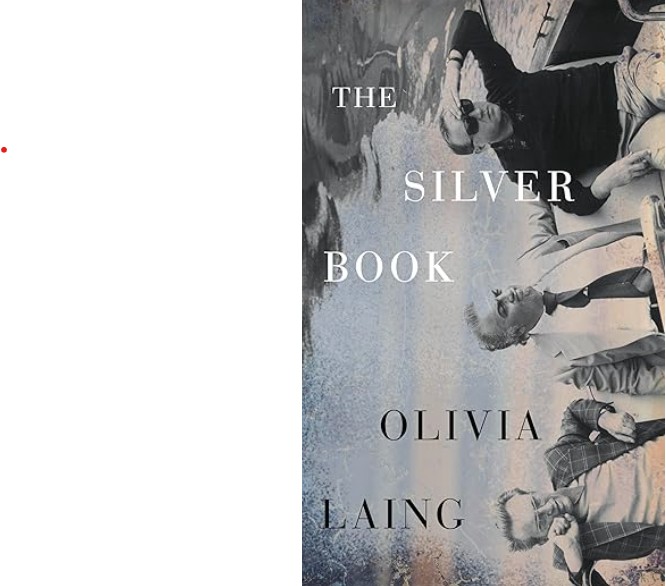
A strange, litle book set in Italy in the early 70s in the world of film-making.
This is the story of Nicholas who needs to leave England quickly, we are not told why, and ends up in Rome sitting on the steps of a church sketching the buildings around him. He is picked up by Danilo, a costume and set builder or artistic director for films, who takes him home and then provides him with work.
There are two films being made, one by Pasolini and the other by Fellini – both great film makers and Danilo siscreating the costumes for both. Whilst Fellini’s film, Casanova, is on hold, the two go to work for Pasolini on site, providing costumes for a lush (louche) film about the Marquis de Sade, Salo, exploring beauty and facism.
Symmetry, Nicholas thinks, is the dominant attribute of beauty under facism. Individuality, heterogenity is not tolerable.
p149
The set is partially created in a collapsing house that has the air of decadence leading to destruction. ‘For them, the ruined shell is full of possibilities.’
The book is written in short sections which have the effect of speeding up the reading, much like you would find in a James Patterson thriller. I am not sure that this effect works. I wanted to linger over the descriptions of the land, the costumes but I was always hurried on to the next thing. Maybe they are meant to reflect edits in a film or film clips. What it does mean is that each event or paragraph is constrained by size or length and so we never get and extended piece of writing about one event.
The hell that the film set and costumes creates is never fully realised and nor is the cruising which Pasolini undertook and was part of his unsolved murder. We get glimpses but not the full import for the man. The link between beauty and facism is upfront but never fully developed, perhaps we are supposed to watch the film, but I was left feeling slightly short-changed.
I read this book a few weeks before I wrote this review and I couldn’t remember much about the book when writing, needing to refer back to it to remind myself about the events. The race through it as a reader left little impression on me.
P.S. It has just dawned on me that the title links to the silver screen but this is a book about a time in history when film making was at the start of where it is now.
 Trying to read all the good books
I’d love to hear what you think